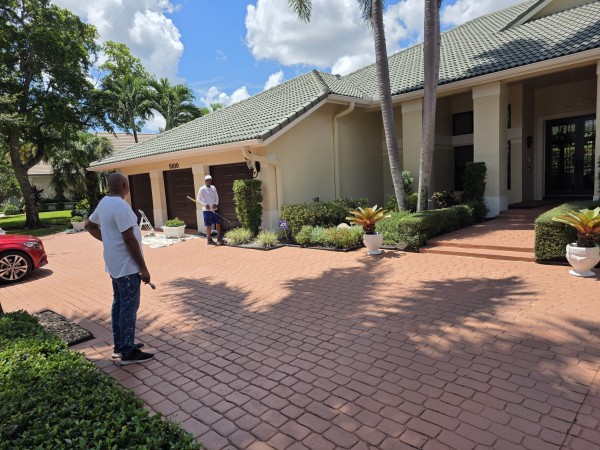
If you own a home in Pompano Beach, you already know that the Florida sun, salt air, and summer rain don't go easy on exterior paint. We get calls every week from homeowners who have questions before committing to a paint job - and honestly, those are exactly the kinds of questions you should be asking. Here are the ones we hear most often, along with straight answers based on years of working on homes right here in South Florida.
How Often Does Exterior Paint Need to Be Replaced in South Florida?
This is probably the number one question we get. The honest answer is every 5 to 8 years for most Pompano Beach homes - but that range depends on several factors. The direction your walls face matters a lot. South- and west-facing surfaces take the hardest beating from UV exposure and tend to fade and chalk faster. The type of paint and how well the surface was prepped before the last job also plays a huge role. If you're seeing peeling, bubbling, fading, or chalky residue when you run your hand along the wall, it's time to start thinking about a fresh coat. Waiting too long can lead to moisture getting behind the paint film, which opens the door to wood rot and drywall damage - repairs that cost far more than a timely paint job.
Does the Surface Need to Be Pressure Washed Before Painting?
Absolutely - and we won't paint a surface that hasn't been properly cleaned. Pompano Beach homes accumulate mold, mildew, dirt, and salt deposits that bond to exterior surfaces over time. Paint applied over a contaminated surface will fail prematurely, plain and simple. Our team always includes thorough pressure washing as part of the preparation process. It removes loose paint, biological growth, and surface contaminants so the new paint has a clean, solid foundation to bond to. Skipping this step is one of the most common reasons DIY exterior paint jobs start peeling within a year or two.
What Type of Paint Holds Up Best in the Pompano Beach Climate?
For exterior surfaces here in South Florida, you want a high-quality 100% acrylic latex paint with good mildew resistance and UV protection. The humidity and heat we deal with here are brutal on lesser products. Flat finishes may look nice on stucco, but they're harder to clean and less moisture-resistant than satin or low-sheen finishes, which we typically recommend for most exterior walls in this area. On trim, a semi-gloss holds up well and is easier to wipe clean. We also pay close attention to caulking around windows, doors, and joints - dried-out or missing caulk is one of the fastest ways for moisture to work its way into your walls.
Can You Paint Over Stucco, and Does It Need Special Treatment?
Yes, stucco can absolutely be painted - and most homes in the Pompano Beach area have stucco exteriors. The key is making sure any cracks are filled and properly repaired before painting begins. Even small hairline cracks should be addressed, because water finds a way in. We repair the stucco first, let it cure, prime the surface with an appropriate masonry primer, and then apply the finish coats. Trying to paint over cracked or damaged stucco without repairs is a shortcut that always leads to problems down the road.
Exterior painting done right protects your home, boosts curb appeal, and gives you real peace of mind. If you have more questions or you're ready to get a closer look at what your home needs, give Watsons Painting & Drywall Repairs a call at (754) 262-1981 - we're happy to walk you through your options.